
Your best-performing ad has an expiration date, and it’s probably sooner than you think. In 2026, the average high-performing paid social creative burns out in days, not weeks, and the brands that can’t keep up are watching their ROAS crater in real time. The problem isn’t your media buy. It’s your creative pipeline, and the creative fatigue solution isn’t a bigger budget, it’s a bigger content library.
1. The “Ad Decay” Reality Check
Most brands aren’t losing on paid social because of bad targeting, they’re losing because their creative is stale. Meta and TikTok’s machine learning models are built to reward novelty: feed the algorithm fresh variants and it optimizes harder; recycle the same asset and performance tanks fast. Once ad frequency exceeds 2.5x on TikTok, conversion rates typically drop 30–40%, and on high-spend accounts, that decay can begin within days. On Meta, the pattern is slower but just as inevitable: Analytics at Meta’s own research found a 45% drop in ad performance after just four exposures to the same creative and over 19% of Meta ad impressions are already being shown to the same user more than five times. The bottleneck isn’t the budget, it’s the Creative Production Gap.
2. Why “Hero Content” Is a Risky Investment
The traditional playbook is commission one $50,000 high-production video, and hope it performs. It’s a single bet on a very volatile market. That same $50k, spread across a creator content platform, gets you closer to 25 unique assets built for performance. The goal isn’t volume for volume’s sake. The argument is simple: you don’t need one perfect ad; you need enough good ones to find the five that will actually scale. One hero video might flop, burn out in a week, and leave you scrambling. Twenty-five varied assets give your algorithm something to actually work with—and keep working with.
3. The Real Creative Fatigue Solution: Build a Library, Not a Campaign
Brands winning on paid social in 2026 aren’t running campaigns, they’re building content libraries. Social Native’s platform is designed for exactly this: an on-demand content engine that lets you brief, produce, and deploy UGC at volume, continuously. When a creative starts to fatigue, there’s always a fresh asset ready to rotate in.
Rights management (historically a negotiation headache that slows everything down) is handled natively. As an official Meta Business Partner, Social Native is built to move approved assets directly into a Meta or TikTok ad in minutes, with no back-and-forth with creators over usage terms. And the results compound: documented brand case studies show that sustained high-volume UGC programs lower customer acquisition costs by 29–30% by consistently out-testing the competition. More variants in the auction means more chances to win—and a lower cost every time you do.
4. The “Ghost Creative Team” Angle
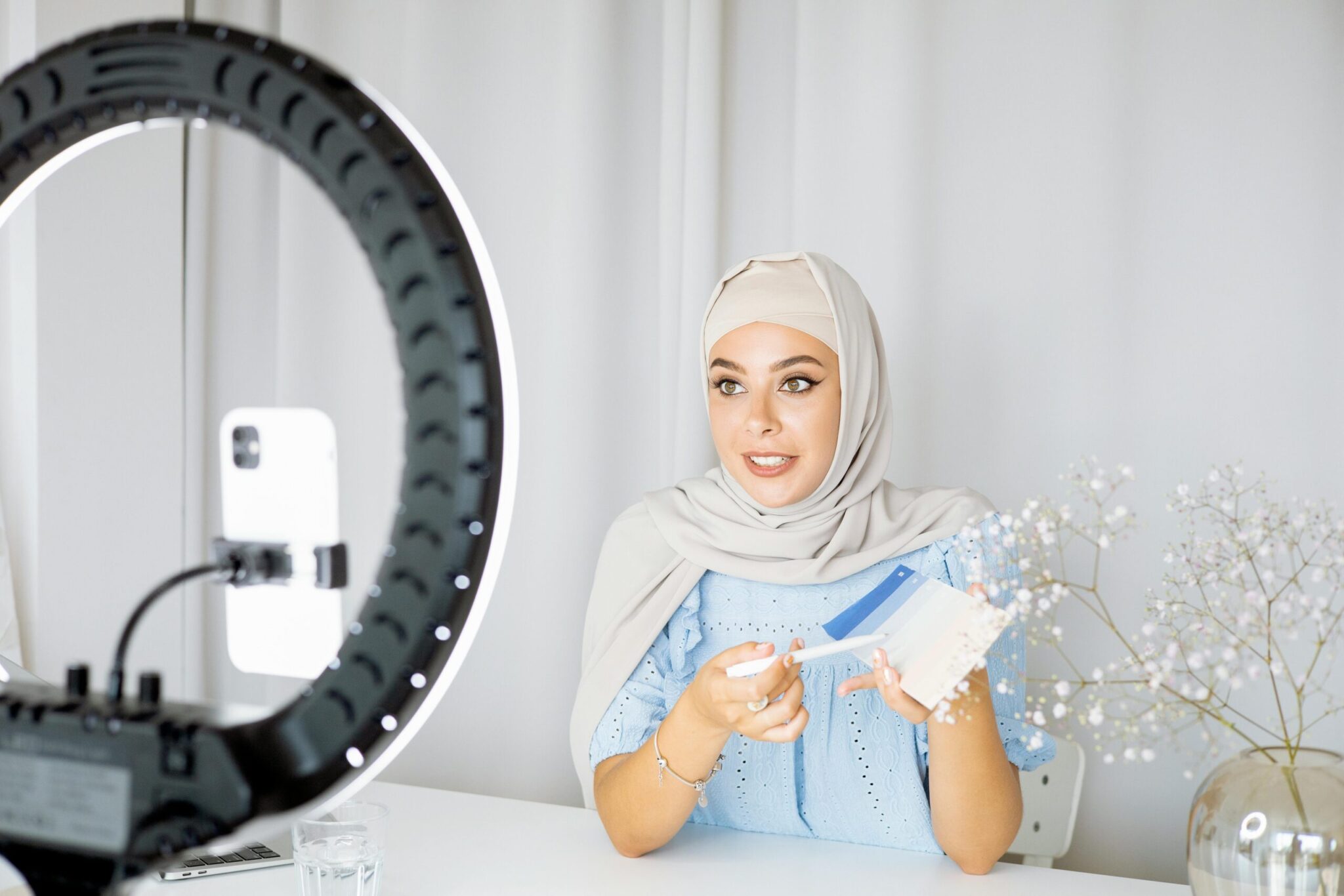
Hiring to fix a creative volume problem is an expensive solution to what is fundamentally a workflow problem. Staffing up with editors, a creative director, a production coordinator to keep pace with algorithm demands can quickly add $300,000–$400,000 in annual headcount before you’ve produced a single additional ad. Social Native flips that model: instead of building an internal team, you tap a global network of creators who produce on-brief, on-brand content without the overhead. It’s a ghost creative team: always on, never on payroll, and built to scale the moment your current creative stops converting.
The Bottom Line
Creative fatigue is a revenue leak, not a creative problem. The brands that win on paid social in 2026 will be the ones treating content as infrastructure, not a one-time campaign deliverable.
Citations
[1] TikTok Ad Frequency: What’s the Ideal Number? (TikAdSuite) [2] Creative Fatigue: How advertisers can improve performance by managing repeated exposures (Analytics at Meta / Medium) [3] Customer Acquisition Cost: How to Lower eCommerce CAC with UGC (Flowbox) [4] Social Native Platform (Social Native) [5] User-Generated Content (Social Native) [6] Official Meta Business Partner (Social Native) [7] Creator Network (Social Native)