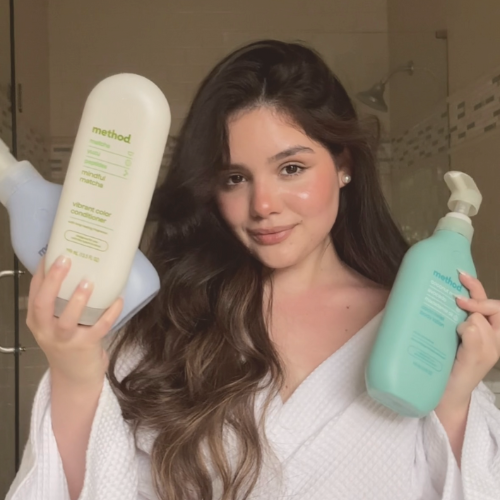

In the world of retail marketing, it’s tempting to chase big names, massive followings, and celebrity endorsements. But increasingly, the data is pointing in another direction: micro-influencers (creators with modest but highly engaged audiences) are proving to deliver superior performance, efficiency, and trust. For enterprise retail brands, leaning into micro-influencer marketing strategies isn’t just a nice-to-have—it’s a competitive advantage.
What Exactly Are Micro-Influencers?
Typically, micro-influencers fall into the follower range of 1,000 to 100,000 (though many definitions narrow it further to 10,000–50,000). What distinguishes them is not just follower count, but the depth of their relationship with their audience: they often operate within niches, have conversational commenting communities, and project more authenticity than higher-tier influencers.
Because they sit between completely grassroots influence (nano creators) and celebrity-level reach (macro/mega creators), micro-influencer marketing often combines scale + relatability—a sweet spot for retail brands wanting to reach real buyers without breaking the bank.
Why Micro-Influencers Often Outperform Bigger Creators
Here’s what the data (and real-world cases) say about why micro-influencers are such powerful tools for retail brands:
1. Higher Engagement Rates
Smaller creator accounts consistently punch above their weight in engagement. For example:
- A report from The Social Cat analyzed over 17,000 influencer campaigns and found that micro-influencers (10k–50k followers) averaged ~1.81% engagement, outperforming mid-tier influencers (~1.24%) by 46%.
- In the same data, nano-influencers (1k–10k followers) delivered ~2.71% engagement, nearly 50% higher than micro-influencers.
These elevated engagement levels translate into more meaningful user interactions—comments, saves, clicks—which are harder to generate from massive, passive audiences.
2. Cost-Efficiency and Scalability
Because micro-influencers charge far less per post than macro-influencers, brands can work with a dozen or more micro-creators for the cost of one big name.
- Micro-influencers typically cost between $100–$500 per post – versus larger creators that can charge thousands for an Instagram Reel.
- And average ROI numbers suggest that influencer campaigns can deliver ~$4.12 in returns for every $1 spent, illustrating the financial viability of these smaller-scale partnerships.
This means brands can diversify risk (if one influencer underperforms, it doesn’t sink the entire campaign) and tune targeting more precisely across segments.
3. Better Trust and Authenticity
Large influencers often face skepticism: audiences know they’re being paid, and messages risk looking contrived. Micro-influencers, in contrast, often maintain a peer-to-peer tone, use “real life” content, and blur less with overt advertising.
Studies show that small creators often generate more surprising ROI than big-name ones, because their audience perceives them as more genuine.
Also, many brands report that when influencer content feels authentic—honest reviews, lifestyle integration, disclosed sponsorship but true voice—it resonates more deeply than polished ads.
4. Conversion Performance That Beats Expectations
It’s not just about engagement—micro-influencers often drive real purchases.
- Some sources claim micro-influencers can deliver conversion rates up to 20% higher than macro influencers,
- A case study shared by CreatorsJet described a brand that achieved 3× ROI using only micro-influencers.
When you connect a trusted voice with product and purchase opportunity, the path to conversion becomes more organic and less interruptive.
5. Strategic Shifts in Budget Allocation
The market is responding. In 2024, 43% of brands shifted budgets toward micro- and nano-influencers in recognition of their stronger performance per dollar.
As the overall influencer marketing space grows (projected to reach $32.55B in 2025) brands are refining focus toward creators who deliver sustainable yield.
How Retailers Can Make Micro-Influencers Work for Holiday & Beyond
If you’re leading marketing for a retail brand, here’s how to structure micro-influencer strategy to scale performance:
1. Define Precision Audience Segments
Break down your key customer segments—by region, lifestyle, gift use-case, price tier—and recruit micro-creators with affinity to those niches. Their smaller, more aligned followings will yield better relevance.
2. Use Layered Influencer Tiers
Combine nano, micro, and occasional mid-tier creators. Nano accounts help reach hyperlocal communities, micro accounts bring consistent engagement at scale, and a few mid-tier or macro accounts can amplify reach at key moments.
3. Give Creative Freedom + Strong Briefs
Micro-creators thrive when they can inject their voice. Provide clear objectives (e.g. product features, messaging) but allow flexibility in storytelling. Many influencers prefer being involved in creative direction.
4. Use Tracking & Attribution Tools
Leverage UTM links, promo codes, affiliate models, and platform insights to map how micro-influencer traffic converts. Tie influencer attribution into your broader retail analytics to measure uplift.
5. Repurpose Content Across Channels
Because micro-influencers often produce highly authentic UGC (user-generated content), brands can repurpose these visuals and clips in paid ads, email campaigns, landing pages, and retail media networks—extending the value of each collaboration.
6. Build Long-Term Partnerships
One-off posts are fine, but long-term relationships allow creators to deepen trust with their audience while becoming brand advocates. Consistent collaborations also tend to yield discounted rates and higher performance.
Think Big by Thinking Smaller
For enterprise retail brands navigating crowded markets and skeptical audiences, micro-influencers represent a strategic lever with outsized returns. Their ability to generate high engagement, deliver trust, scale cost-efficiently, and drive conversions makes them ideal for holiday campaigns and beyond.
In a landscape where consumers increasingly filter out mass advertising, smaller voices are rising as authentic connectors. Retail CMOs who prioritize micro-influencer strategies now—not later—will gain measurable advantage when the holiday season hits full swing.
If you like, I can also craft you an SEO-optimized version of this blog (with target keywords, meta, and subheadings) specifically intended to attract enterprise retail searches. Do you want me to do that next?
Connect with Social Native today to activate micro-creators to hit your Q4 goals!